I think I experienced the inner workings of a scammer a while ago. The jury is still out.
A message landed in my company page inbox on another platform, you know the one, the one that now begins with an “M” that used to begin with an “F.” The tone was urgent. The company alleged suspicious activity had been detected on the account and I needed to click a link immediately to prove ownership of the page, otherwise it would be taken down. Permanently. No appeal, no second chance, just gone.
The online checking tool I used suggested the link wasn’t malicious. But I still had my doubts. For one thing, it referenced a different address entirely when confirming the news, which felt like exactly the sort of small inconsistency that gives a scam away to anyone paying close attention.
The notification also listed other company pages, apparently swept up in the same approach. Among them was a Scottish distillery, which hadn’t posted for nearly a year, and the page of a Premiership football club. An odd pairing, and not one I’d expect a legitimate platform notice to produce. Whoever was behind it and I’ll admit I can’t say for certain it was malicious, had clearly cast a wide net, and not a discerning one.
I never clicked the link. The page is still standing. But the experience stayed with me longer than the moment itself, because it raised a question I think every business owner should sit with at some point: how much of what we’ve built actually belongs to us?
The uncomfortable answer #
If a platform decided tomorrow that our page had vanished — rightly or wrongly, fairly or not — what would we be left holding? For a lot of businesses, including ones a good deal larger than New Era, the honest answer is: not much. The followers, the message history, the years of posts and comments and relationships built one interaction at a time — all of it sits on infrastructure we don’t control, governed by terms we didn’t write and can’t negotiate.
This isn’t a fringe worry. Industry research into account takeovers found that a majority of organisations affected took more than 48 hours to regain control once an attacker had locked them out. Two days is a long time to be silent in front of an audience you spent years building. Cerby
That’s not a criticism of the platforms themselves. They serve a purpose, and a useful one. But usefulness and ownership are two different things, and it’s easy to let the first quietly stand in for the second.
What we actually own #
This is where I think the real lesson sits, and it’s less about scams and more about resilience.
If you’re in business, it’s vital that you own your own list of clients and prospective clients. Not a platform’s record of who’s followed your page, but your own list — names, contact details, the history of how each relationship started and where it stands now. That list is yours to keep regardless of what happens to any third-party account it might be linked to.
It’s equally vital that you store this list, along with your posts, blogs, and other content, in your own GDPR-compliant environment, and that your data is regularly backed up. Not occasionally, not “when I remember” — regularly, as a matter of habit rather than afterthought. A backup you haven’t tested is really just a hope.
Regulators have taken note of how exposed this leaves smaller businesses. Guidance from Australia’s NSW Small Business Commissioner makes the point plainly: heavy reliance on third-party platforms leaves businesses vulnerable to sudden access loss, outages, and algorithm changes, and they should keep regular backups alongside a plan for being locked out of a critical account. It’s a fair summary of exactly what crossed my mind reading that message. Nsw
When platforms work together against scams #
There’s a more reassuring side to this too. The Information Commissioner’s Office, the UK’s data protection regulator, publishes guidance specifically for digital platforms, financial services firms, and telecoms providers on sharing personal information with each other to support scam and fraud prevention. It’s a reminder that the platforms aren’t indifferent to this problem — there’s a genuine, regulator-endorsed effort behind the scenes to spot and disrupt exactly the kind of approach that landed in my inbox. It doesn’t make the platforms infallible, but it’s worth knowing the machinery exists.
A flavour of what’s underneath #
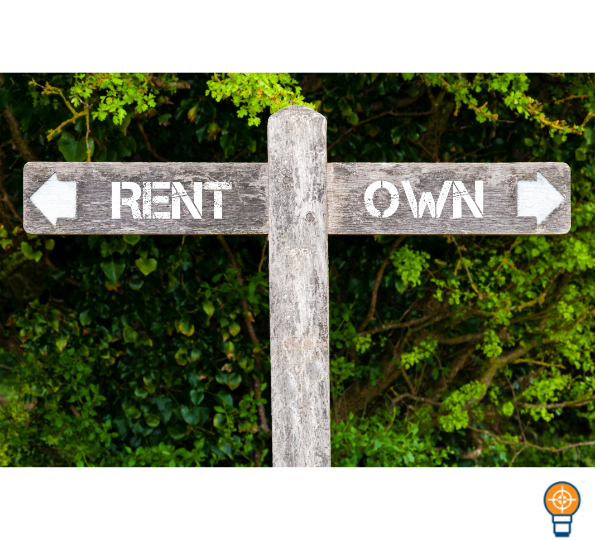
I won’t pretend I have this perfected. Building genuinely owned infrastructure — your own data, your own content home, your own backed-up records — takes longer than signing up for another platform and hoping it lasts. But it’s the difference between a business that rents its relationships and one that owns them outright.
Third-party platforms might suddenly cut us off, change their rules overnight, or come under attack from people who are clever enough to do things that take from society rather than add to it. None of that is within our control. What is within our control is whether we’ve built something durable underneath it — a foundation that doesn’t disappear the moment a platform decides it should.
The scam, if that’s what it was, cost me nothing in the end. No link was clicked, no page was lost. But it did its job in a different way: it made me look hard at how much of New Era’s relationship history lives somewhere I don’t control, and to keep tightening the gap between what the platforms hold and what I actually own.
That’s the moral I’ve taken from it, anyway. Not paranoia about every message that lands in an inbox, but a quiet, ongoing commitment to owning our stuff.
Thank you for reading, and let’s be careful out there.
Author: Richard Bull-Domican, founder of New Era Financial Introductions, a B2B lead generation consultancy with over twenty years of experience. The perspectives shared here come from two decades in the field; not theory, but practice.
I create small, digestible guides on Gumroad for business owners who hate aggressive tactics and prefer relationship-led approaches. New resources are added regularly. For longer reads on lead generation and the human side of sales, follow me on Medium and join the daily conversation on LinkedIn.
Please see the links below:
Gumroad: https://richardbulldomican.gumroad.com/
Medium: https://medium.com/@richard-bulldomican
LinkedIn: https://www.linkedin.com/in/richardbulldomican/